Is HARO Worth It in 2026? ROI, Costs, Success Rates & Better Alternatives

For more than a decade, HARO (Help a Reporter Out) was one of the most popular tools for earning media coverage and high-quality backlinks. Thousands of businesses, founders, marketers, and PR professionals used it to connect with journalists and secure placements on authority websites.
But the media outreach landscape has changed dramatically.
HARO has evolved, new platforms have emerged, competition has increased, and AI-powered search is changing how brands build authority online.
This raises an important question:
Is HARO still worth it in 2026?
The short answer is yes—but only if you understand how the modern media landscape works.
In this guide, we’ll break down HARO’s ROI, costs, success rates, advantages, limitations, and the alternatives many PR professionals are using today.
What Is HARO?
HARO, short for Help a Reporter Out, was created to connect journalists with expert sources.
The process is simple:
- Journalists submit requests for expert commentary.
- Businesses and professionals respond.
- Journalists select the best responses.
- Selected contributors may receive media mentions and backlinks.
The appeal is obvious.
A single successful HARO pitch can generate a backlink from:
- Forbes
- Business Insider
- HubSpot
- American Express
- Entrepreneur
- Fortune
- Industry-leading publications
These editorial backlinks are among the most valuable links available in SEO.
Why HARO Became So Popular
HARO solved a major problem for both journalists and businesses.
Journalists needed expert sources.
Businesses wanted media exposure.
HARO connected the two.
Benefits included:
- High-quality backlinks
- Brand mentions
- Increased authority
- Referral traffic
- Digital PR opportunities
- Search engine visibility
For years, it became one of the most recommended link building strategies among SEO professionals.
Is HARO Still Effective in 2026?
Yes.
HARO-style outreach remains effective.
However, the process is very different from what it was five years ago.
Today:
- More businesses compete for opportunities.
- Journalists receive more responses.
- Response quality expectations are higher.
- AI-generated pitches have increased competition.
- Alternative journalist platforms have emerged.
Success now depends less on simply responding and more on providing exceptional expertise.
Businesses that treat HARO like a numbers game often struggle.
Businesses that focus on quality continue earning impressive results.
What Is the Average HARO Success Rate?
Success rates vary significantly.
Several factors influence performance:
- Industry
- Expertise
- Publication quality
- Response quality
- Pitch speed
- Journalist demand
Typical HARO Success Rates
| Campaign Type | Average Success Rate |
| Beginner Users | 1%–3% |
| Experienced Professionals | 5%–10% |
| Specialized HARO Agencies | 8%–15% |
| Highly Credentialed Experts | 10%–20% |
The majority of responses never receive a placement.
This is normal.
Journalists often receive dozens or even hundreds of submissions for a single request.
The goal is not a high response rate.
The goal is securing placements from authority publications.
One backlink from a major publication can outweigh dozens of lower-quality links.
Understanding HARO ROI
The return on investment from HARO depends on how you measure success.
Many people focus only on backlinks.
In reality, HARO generates multiple forms of value.
SEO Benefits
Editorial backlinks help:
- Improve rankings
- Strengthen backlink profiles
- Increase authority
- Improve E-E-A-T signals
- Support long-term organic growth
Brand Visibility
Media mentions increase awareness and credibility.
Potential customers are more likely to trust businesses featured in respected publications.
Referral Traffic
Some placements generate direct traffic from readers interested in your expertise.
Future Opportunities
Successful media placements often lead to:
- Additional journalist requests
- Podcast invitations
- Speaking opportunities
- Partnership opportunities
The cumulative value can be substantial.
How Much Does HARO Cost?
Historically, HARO offered both free and premium subscription options.
However, businesses should consider the total cost of outreach rather than simply subscription fees.
Direct Costs
Potential costs include:
- Platform subscriptions
- PR software
- Media databases
- Monitoring tools
Time Costs
Most businesses underestimate the time required.
Activities include:
- Monitoring journalist requests
- Researching opportunities
- Writing pitches
- Following up
- Tracking placements
Many campaigns require several hours each week.
Agency Costs
Businesses that outsource HARO outreach often invest in:
- HARO outreach services
- Digital PR agencies
- Link building agencies
While this increases financial investment, it often improves efficiency and success rates.
Why Some Businesses Fail With HARO
Many businesses assume HARO is easy.
Unfortunately, that assumption often leads to poor results.
Slow Response Times
Journalists often select sources quickly.
Delayed responses reduce visibility.
Generic Pitches
Many submissions sound identical.
Journalists want unique insights.
Weak Credentials
Sources who fail to establish expertise often get ignored.
Promotional Content
HARO is not advertising.
Journalists are looking for expertise, not sales pitches.
Inconsistent Participation
Many businesses quit before building momentum.
Successful campaigns require consistency.
Signs HARO Is Worth It for Your Business
HARO tends to work best when:
You Have Genuine Expertise
Industry experience matters.
You Operate in Competitive Markets
Editorial backlinks provide a competitive advantage.
You Value Long-Term SEO Growth
HARO is a long-term strategy.
You Want Authority, Not Just Links
Media mentions strengthen credibility and trust.
You Can Commit to Consistent Outreach
Results improve over time.
When HARO May Not Be Worth It
HARO is not ideal for every business.
You Need Immediate Results
Editorial outreach requires patience.
You Lack Expert Sources
Businesses without knowledgeable contributors often struggle.
You Expect Guaranteed Placements
No legitimate journalist platform guarantees publication.
You Prefer Fully Predictable Campaigns
Media coverage depends on editorial decisions.
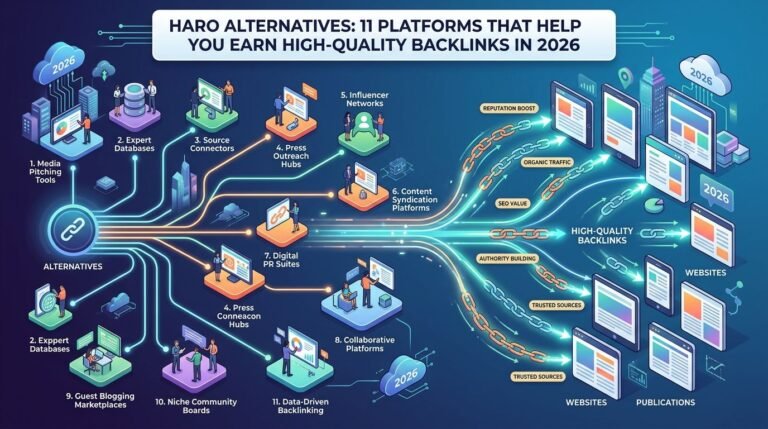
Better Alternatives to HARO in 2026
Many PR professionals no longer rely exclusively on HARO.
The most successful campaigns use multiple platforms.
Featured.com
Featured.com has become one of the leading journalist-source platforms.
Advantages:
- Active journalist community
- Modern interface
- Expert profiles
- Business-focused opportunities
Qwoted
Qwoted emphasizes source credibility and expertise.
Popular among:
- Finance professionals
- Technology companies
- Healthcare experts
SourceBottle
Particularly useful for:
- International brands
- Lifestyle businesses
- Regional media opportunities
Help a B2B Writer
Excellent for:
- SaaS companies
- B2B businesses
- Marketing agencies
ResponseSource
A strong option for businesses targeting UK media.
Prowly
Ideal for organizations running larger digital PR campaigns.
HARO vs Alternatives
| Feature | HARO | Featured | Qwoted | SourceBottle |
| Free Access | Yes | Limited | Limited | Yes |
| Journalist Opportunities | High | High | High | Medium |
| Business Categories | Broad | Strong | Strong | Moderate |
| B2B Opportunities | Good | Strong | Strong | Moderate |
| International Reach | Moderate | Growing | Growing | Strong |
| Ease of Use | Moderate | Easy | Moderate | Easy |
The best platform depends on your goals and industry.
Should You Manage HARO Yourself or Outsource It?
Many businesses begin by managing HARO internally.
This approach works when:
- You have time
- You understand journalist outreach
- You can write strong pitches
However, as campaigns grow, many businesses outsource the process.
Benefits of outsourcing include:
- Daily monitoring
- Opportunity qualification
- Expert pitch writing
- Faster response times
- Better reporting
- Higher success rates
For companies focused on scaling SEO and digital PR, outsourcing often becomes the more efficient option.
The Future of HARO and AI Search
The role of editorial coverage has become even more important as AI search evolves.
Platforms such as:
- Google AI Overviews
- ChatGPT
- Perplexity
- Gemini
- Claude
increasingly rely on trusted sources and authority publications.
Editorial placements help businesses strengthen:
- Authority signals
- Brand recognition
- Knowledge graph presence
- Citation opportunities
This makes journalist outreach more valuable than ever.
Final Verdict: Is HARO Worth It in 2026?
Yes, HARO is still worth it in 2026.
But success requires realistic expectations.
HARO is no longer a quick backlink tactic.
It is an authority-building strategy.
Businesses that consistently provide valuable insights, respond quickly, and focus on quality can still earn exceptional editorial backlinks and media coverage.
At the same time, the smartest PR professionals are expanding beyond HARO by leveraging platforms such as Featured.com, Qwoted, SourceBottle, Help a B2B Writer, and Prowly.
The winning approach in 2026 is not choosing between HARO and its alternatives.
It’s using multiple journalist-source platforms to maximize opportunities, build authority, and earn the high-quality backlinks that drive long-term SEO success.